To Help One Lost Boy

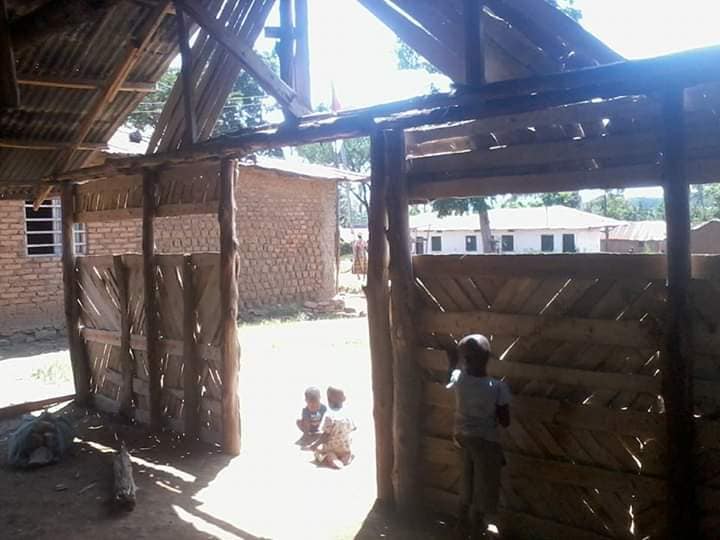
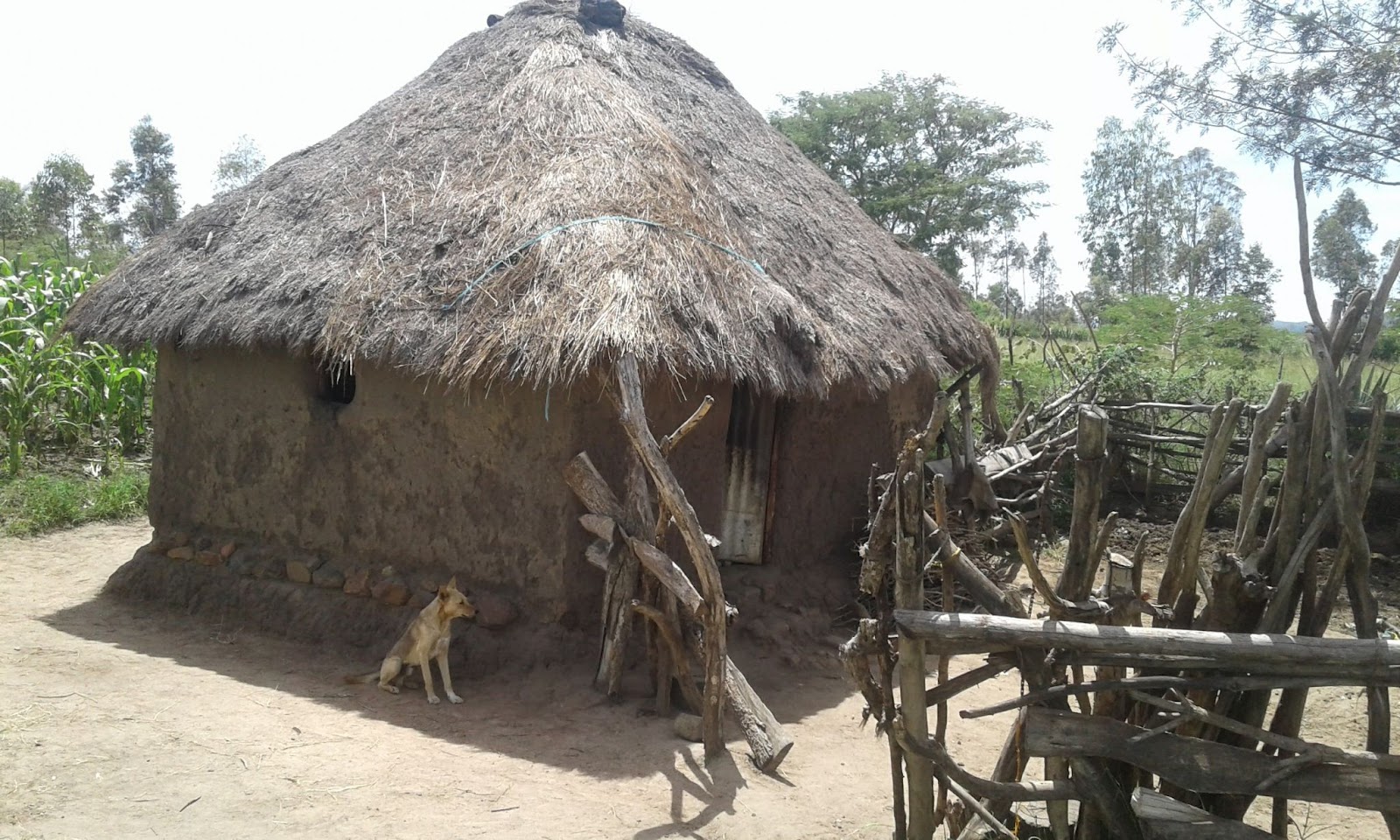
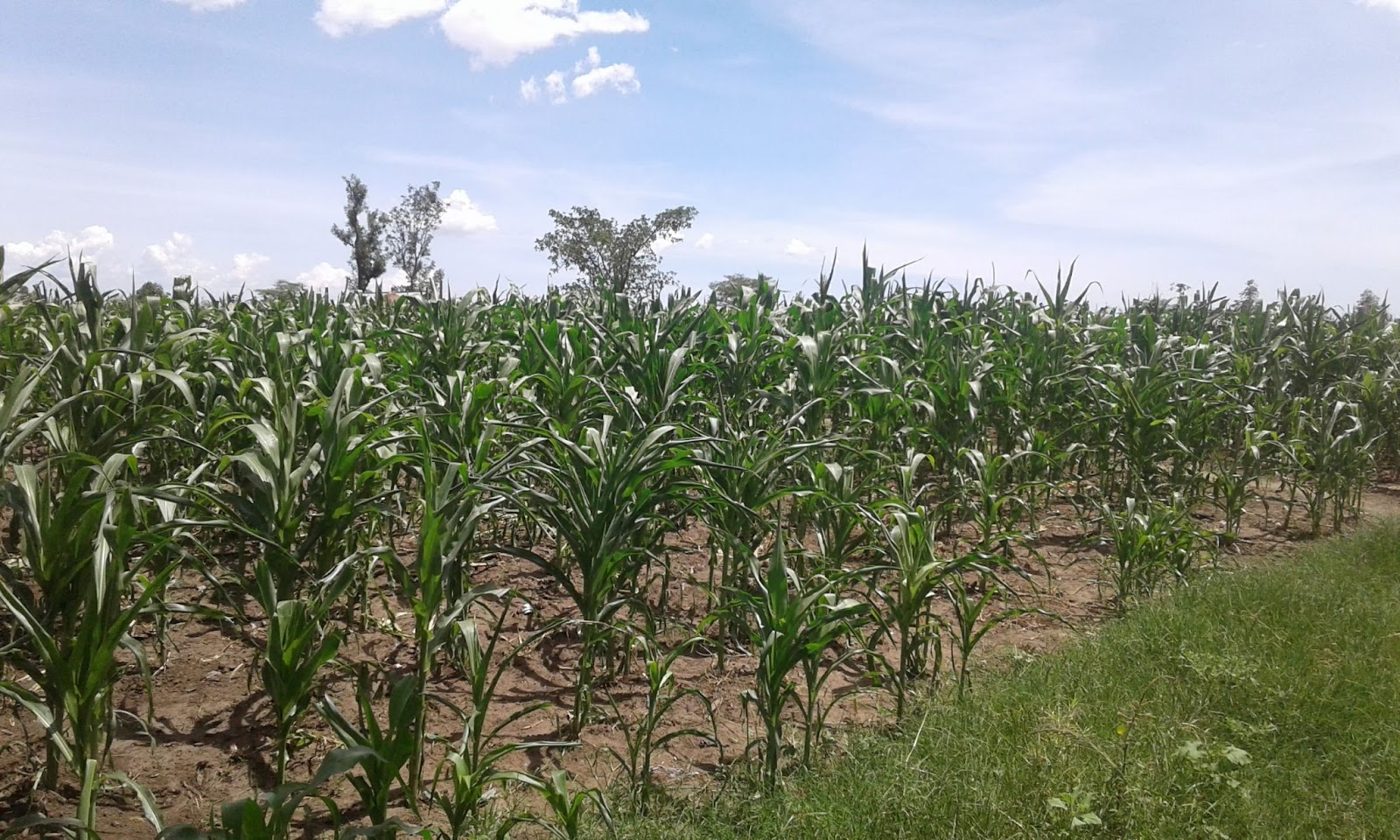
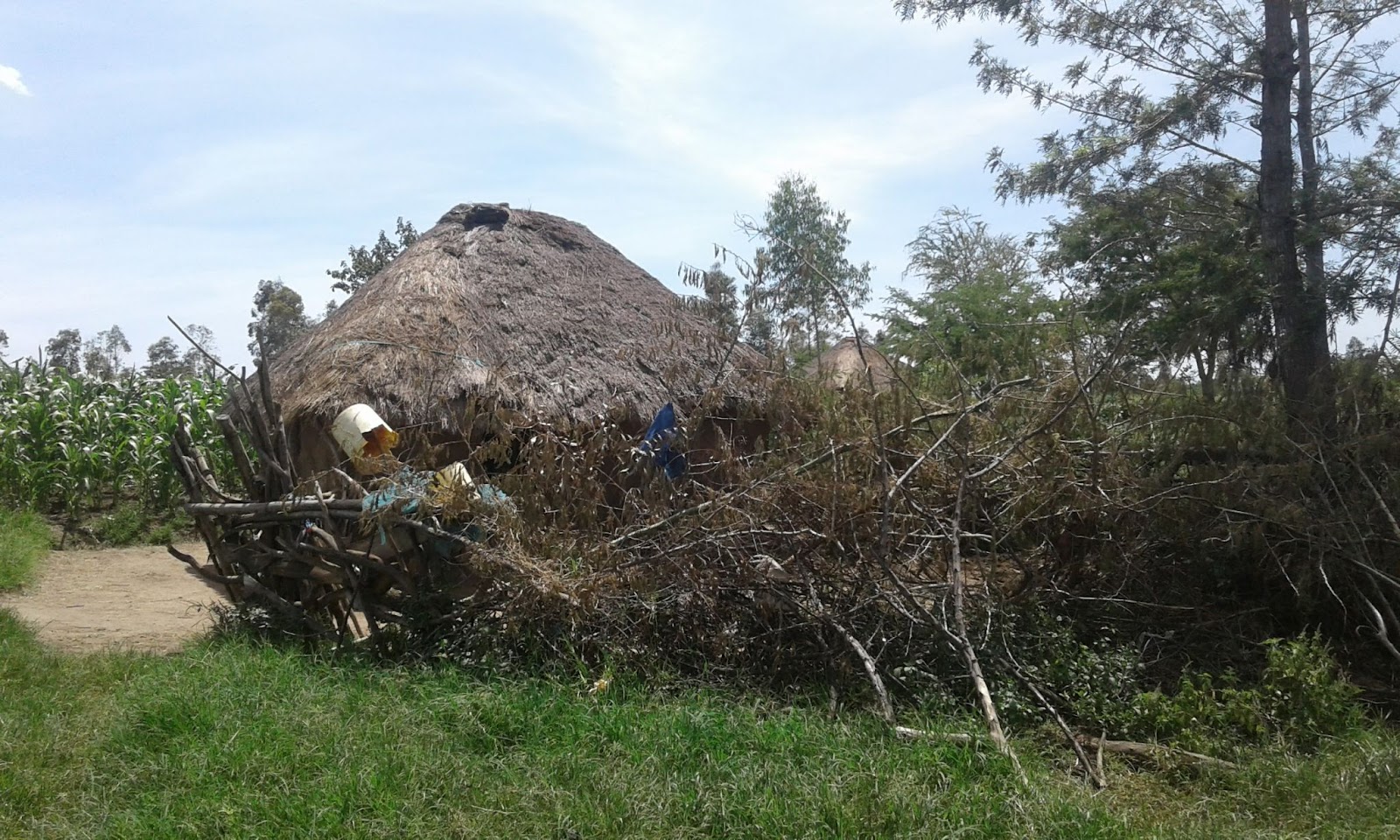
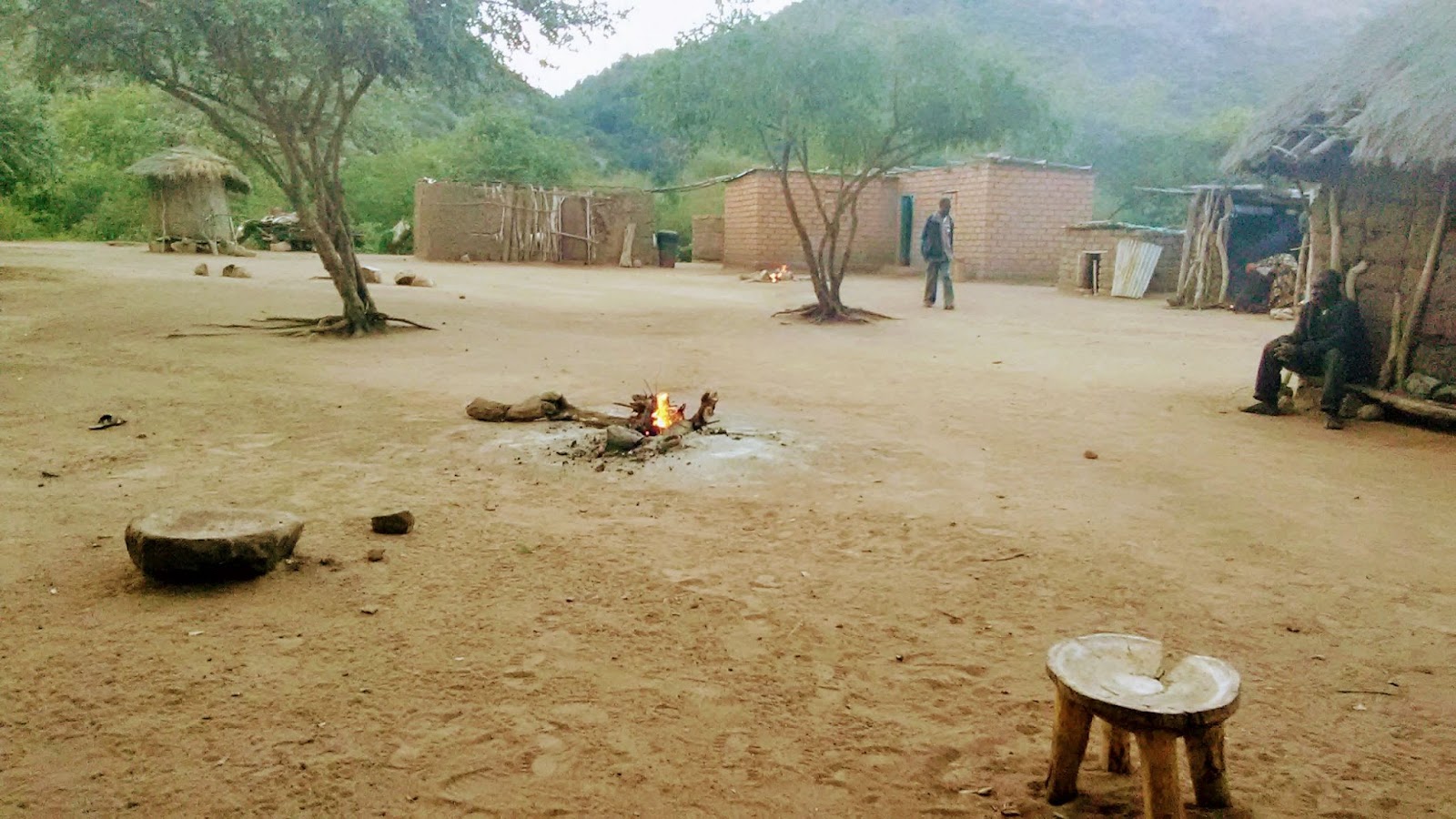
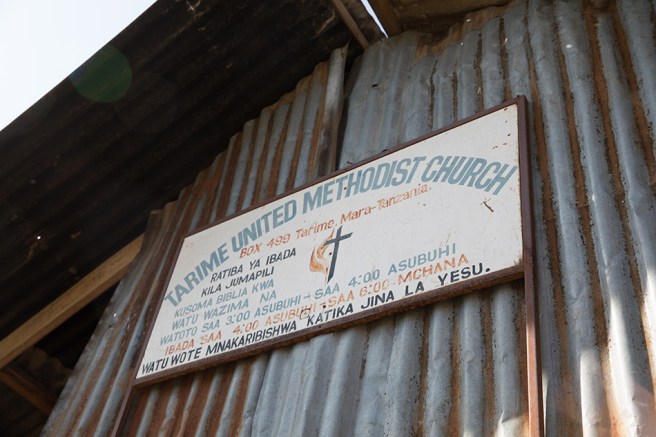
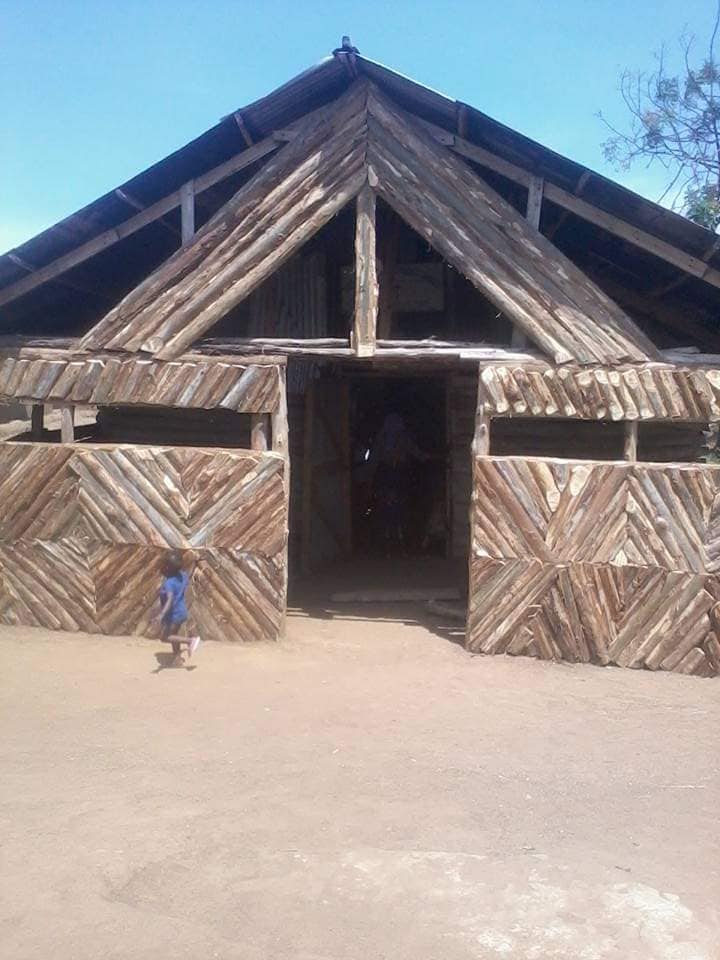
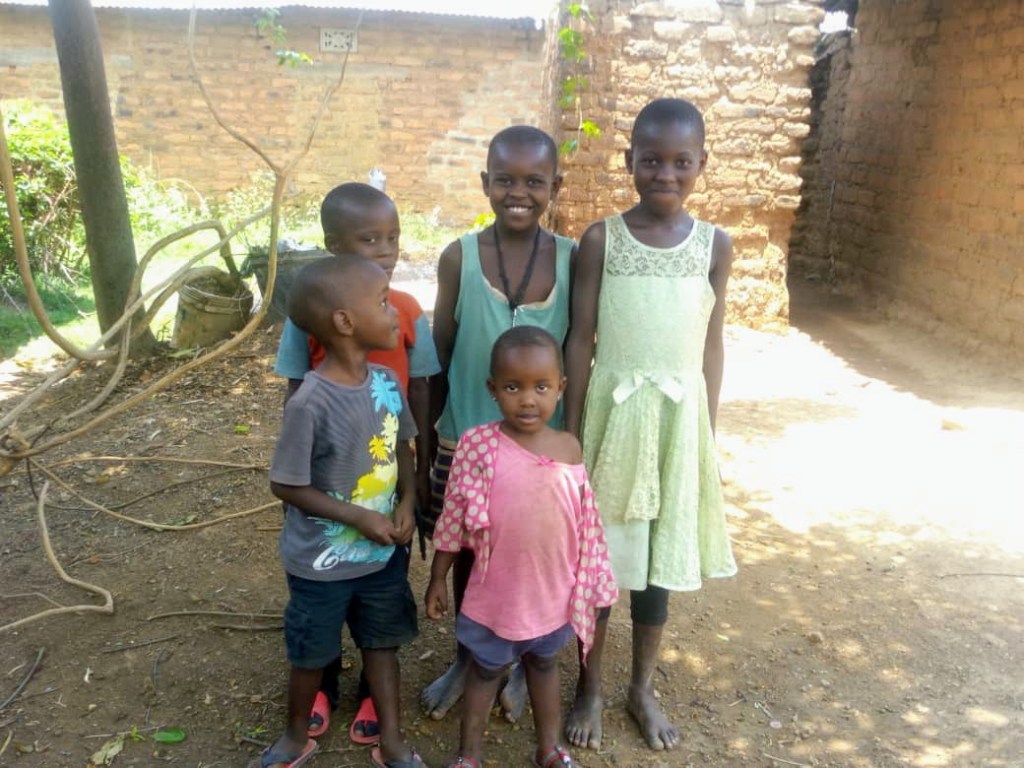
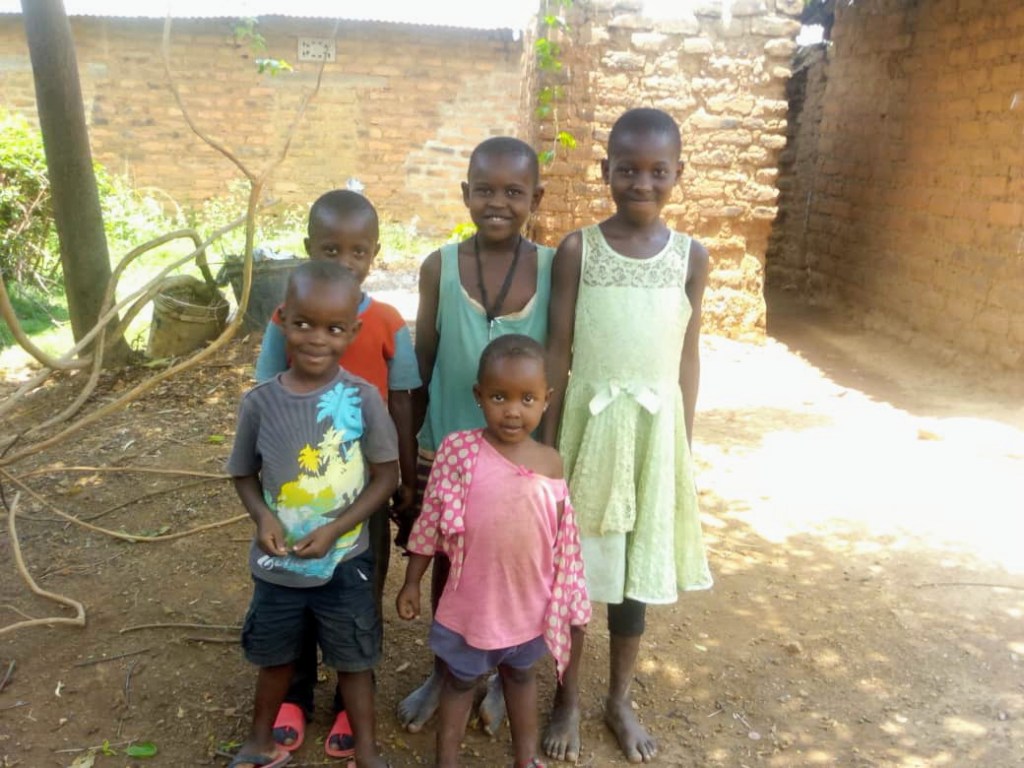
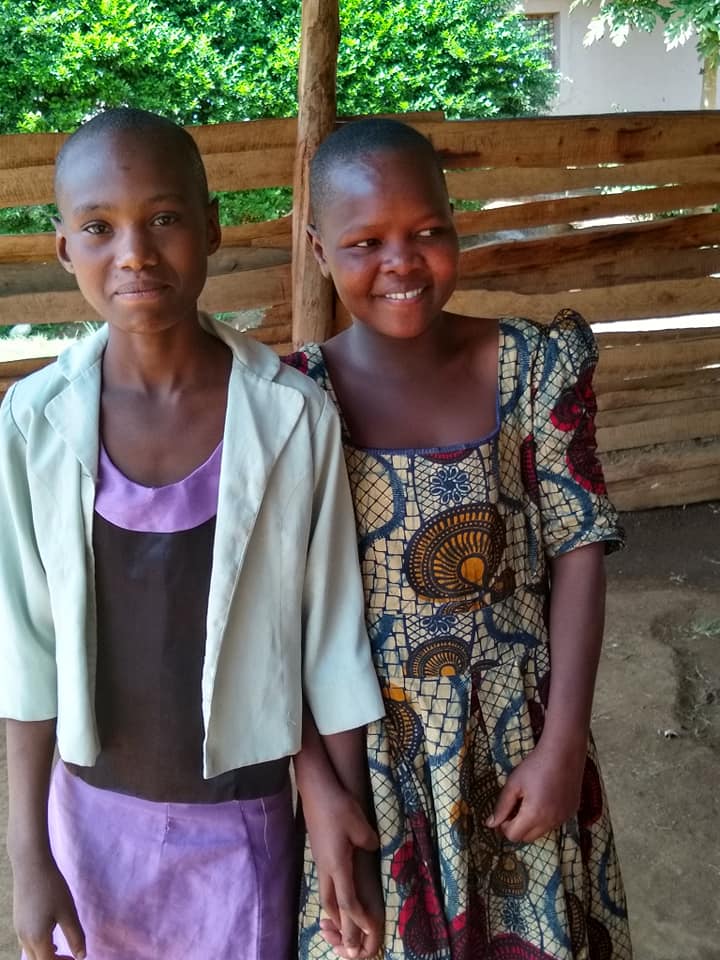
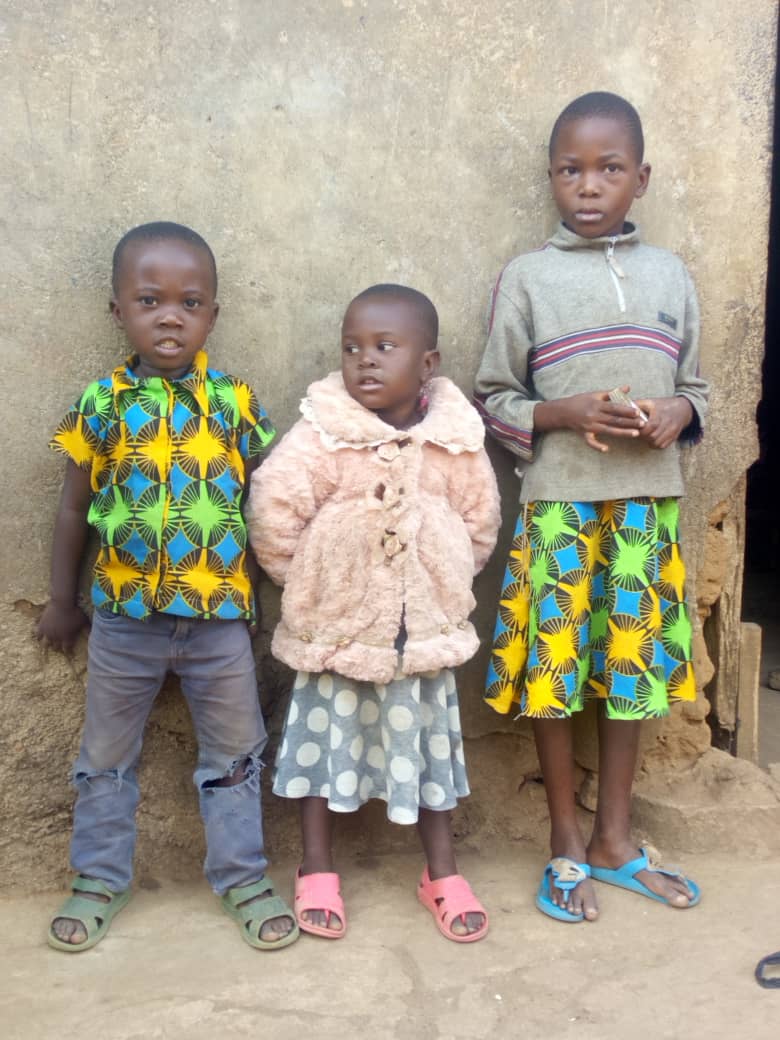
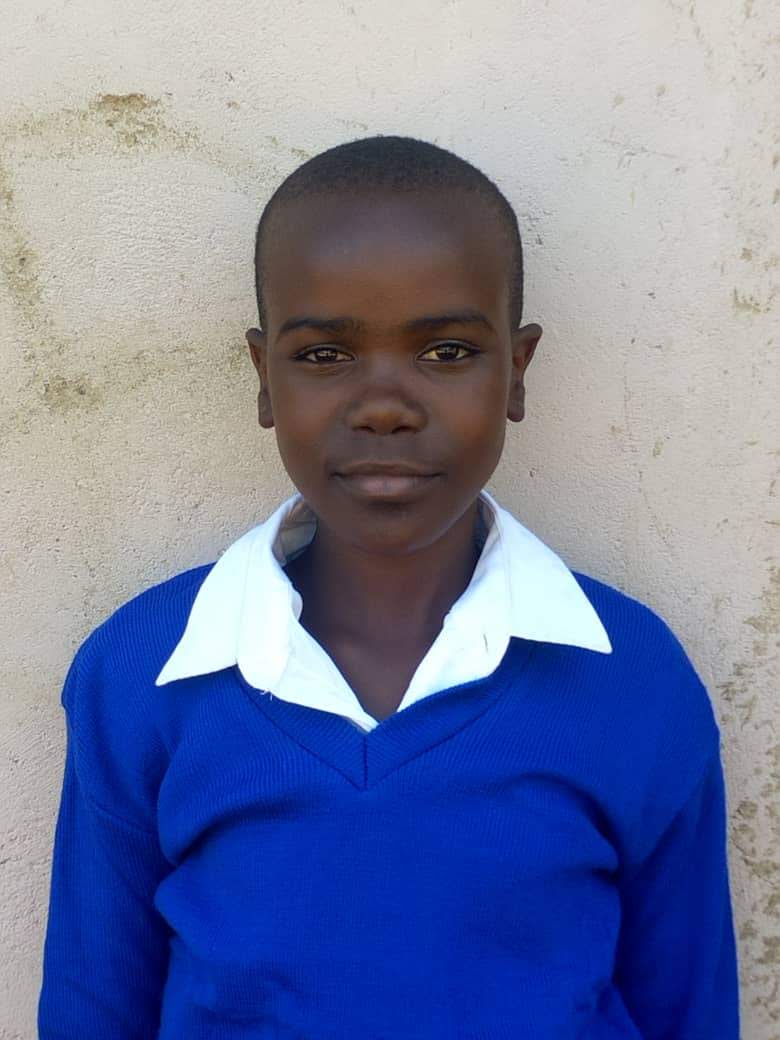
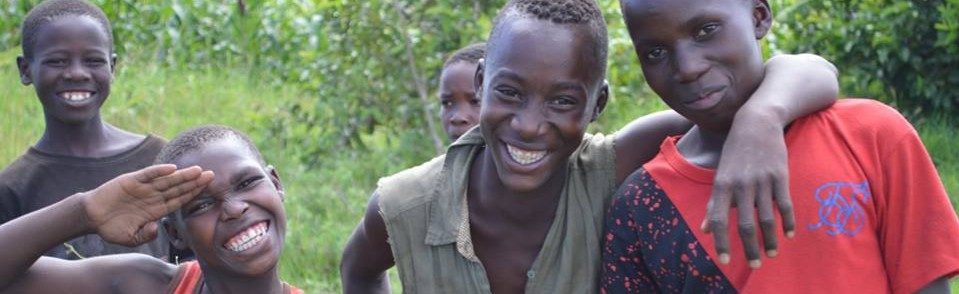
(These events happened within 18 hours, and we didn’t happen to take any pictures during that time. But to help you visualize, I’ve included a few pictures of the places and people involved.)

Since 2017, I have been working with Our Father’s House, a ministry that unites homeless youth with families. They are a great ministry and do effective work.

And in 2021, we launched QuadW Tarime, a Christian community of young adults from Tanzania and the U.S. who live together, pray together, work together, cook together, love our neighbors and make disciples together. It is also a great ministry that does effective work.

But we saw the full potential of both ministries on July 4th, 2021 when the two ministries were able to do their best work, together.

Every evening at QuadW Tarime, Dinnah Sylvester would go out and invite our neighbors to come over for evening prayer at 8:30 pm. This was very popular with the children, and a large crew would always come through our doors laughing and running.
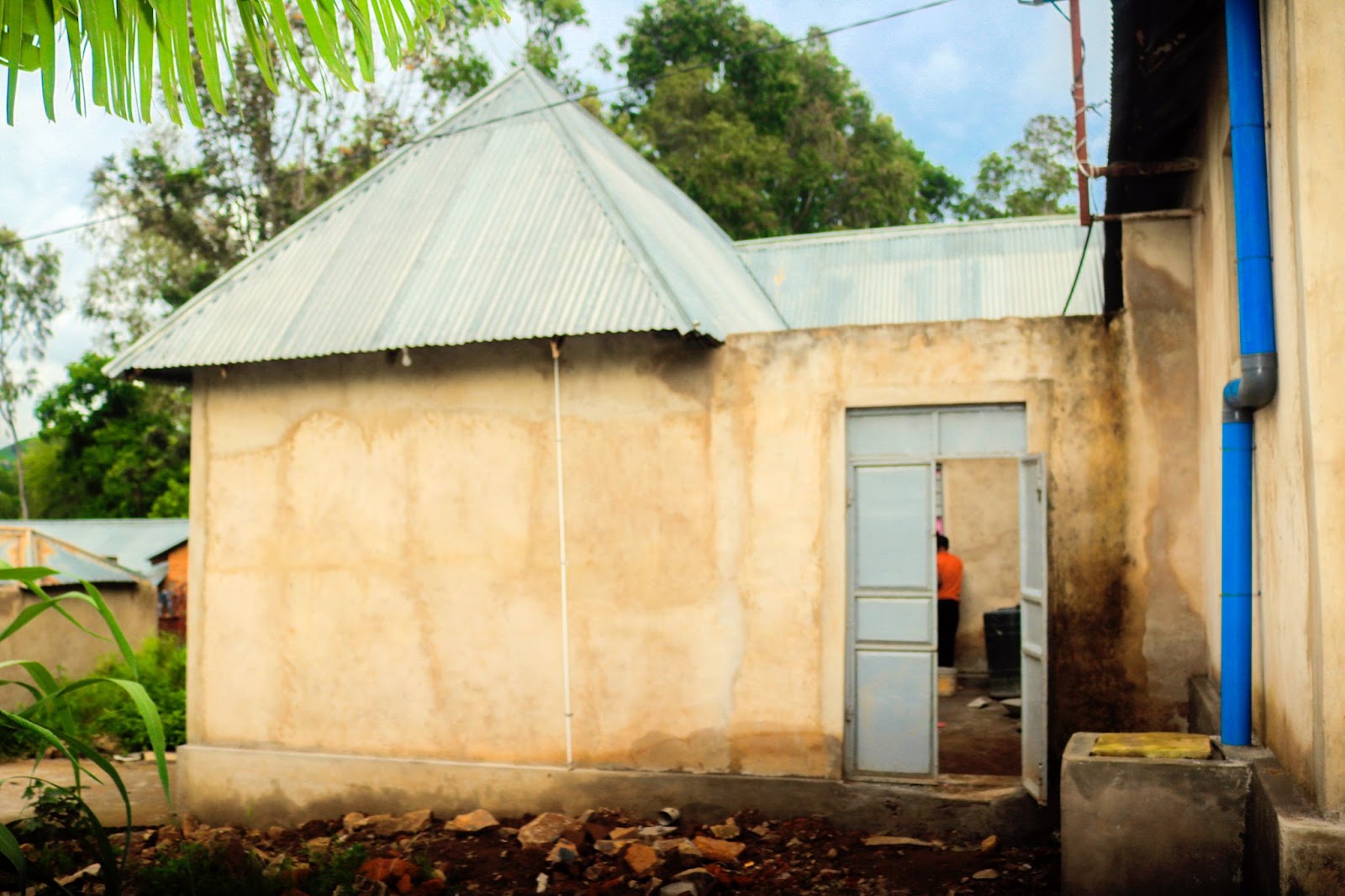
QuadW Tarime community house

On July 3rd, Dinnah was making her rounds as usual and a few young men showed up early. They were all between 10 and 13 years old.

One of them was named Chacha*. We had never met him before. He said nothing, but the other boys told his story.

Chacha didn’t live here; he lived about 10 miles away in a rural farming village. He had gotten in a fight at school that morning and had run away. He didn’t know where he would sleep that night, and he didn’t know how to face his parents when he returned home.

This is common. Children run away from home to avoid punishment, or just to try hanging out on the streets of town. Being children, they normally don’t think farther than that.

Once they have been away from home for a few days, a cruel reality sets in.

The thrill is over, and they are tired of being on the streets. They want to return home.

But then they realize that if they return home, they will be mercilessly beaten by their parents for running away from home.

So they stay on the streets, trapped. They don’t know what to do.

To survive on the streets, they have to learn how to steal scrap metal and small electronics. After a while they inevitably get caught and put in jail, where adults and youth are not separated.

Stealing becomes a way of life, and of course, they don’t go to school. What started as a childish plan to run away and try life on the streets turns out to take so much away from their future.

Our Father’s House exists to combat this cycle. We learned early on that if you can return a child home within 1 month, you greatly improve their chances of a smooth re-entry and staying home. After more than 1 month on the streets, they get used to life on the streets and returning home becomes much more difficult, or, in many cases, impossible.

Chacha had run away and made it to Tarime. And the other kids had pointed him to our Christian community, QuadW Tarime.
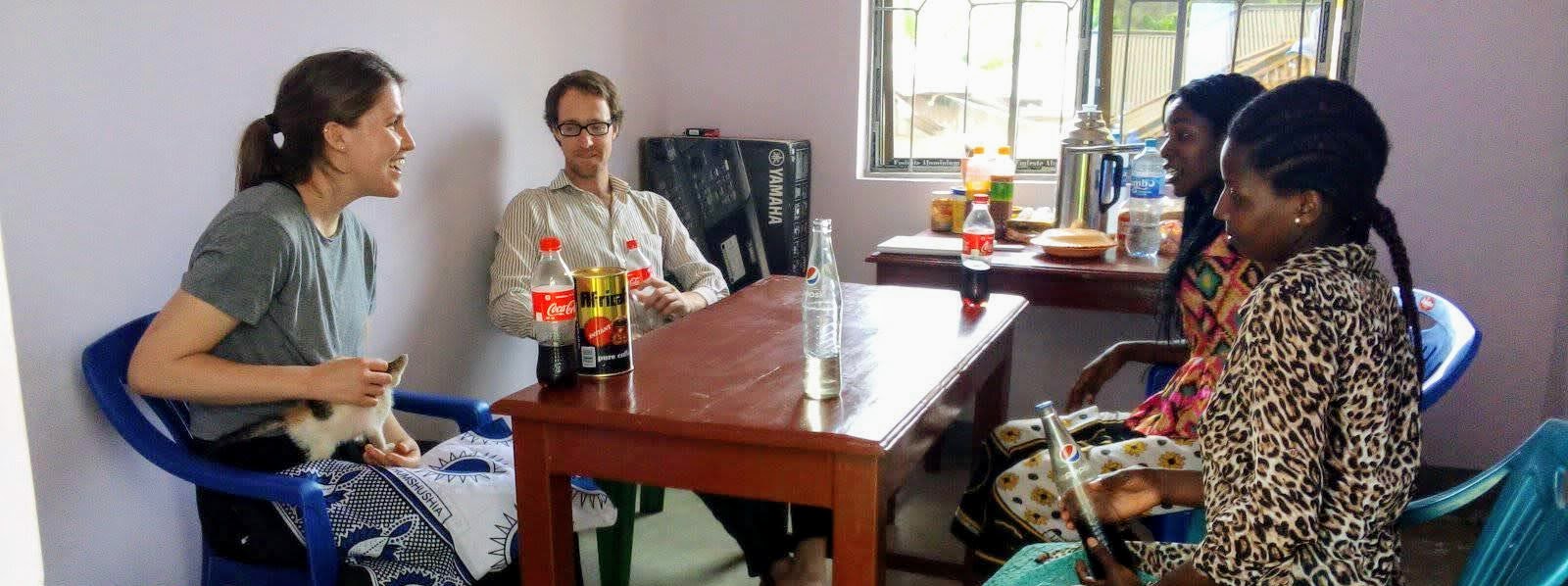
4 of the 5 members of QuadW Tarime: Dinnah, Veronica, Davis, and Megan. The fifth member, Gilbert, took the photo.

We went ahead with our evening prayer, and then afterwards, we had a community meeting. If Jesus Christ were living here in this neighborhood, what might he do?

We made a few decisions. 

Veronica heated up some rice and beans for Chacha to eat. 

Gilbert gave one of his shirts to Chacha (permanently), and gave up his bed for the night, so he would have a place to sleep.

Dinnah and Megan washed Chacha’s shirt, dirty from the fight he had been in that day at school.

But how to help him get back home?

We reached out to the seasoned family counselors, Moses Nyamhanga and Mwita Baita, at Our Father’s House. Having returned dozens of children home, they know how to talk to angry parents, calm them down, and persuade them to forgive their runaway child, instead of punishing him.

“Sure. We will return him home. You got him early, so it will be easy. It’s hard if they sit on the streets for a long time and get used to life on the streets. But after just one day, this will be easy work”, Mwita said.

“Just bring him with you to Tarime UMC tomorrow. We’ll all meet together after worship.” Moses said
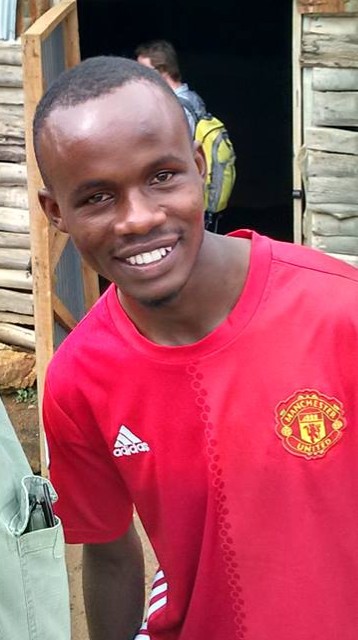
Moses Nyamhanga
Mwita Baita
Tarime UMC church building

And that’s what we did. After worship, Chacha, Mwita, and Moses all had a meeting together. They quickly realized Chacha spoke very little Swahili (the unifying, national language of Tanzania). Mwita and Moses are both fluent in the area’s tribal language, Kuria, so they switched the conversation to the language that Chacha understood. Happy to have some friendly advocates in front of his parents, he agreed to return home. 

Mwita and I hopped on one motorcycle, Chacha and Mwita hopped on the other, and we headed out into rural Tanzania.

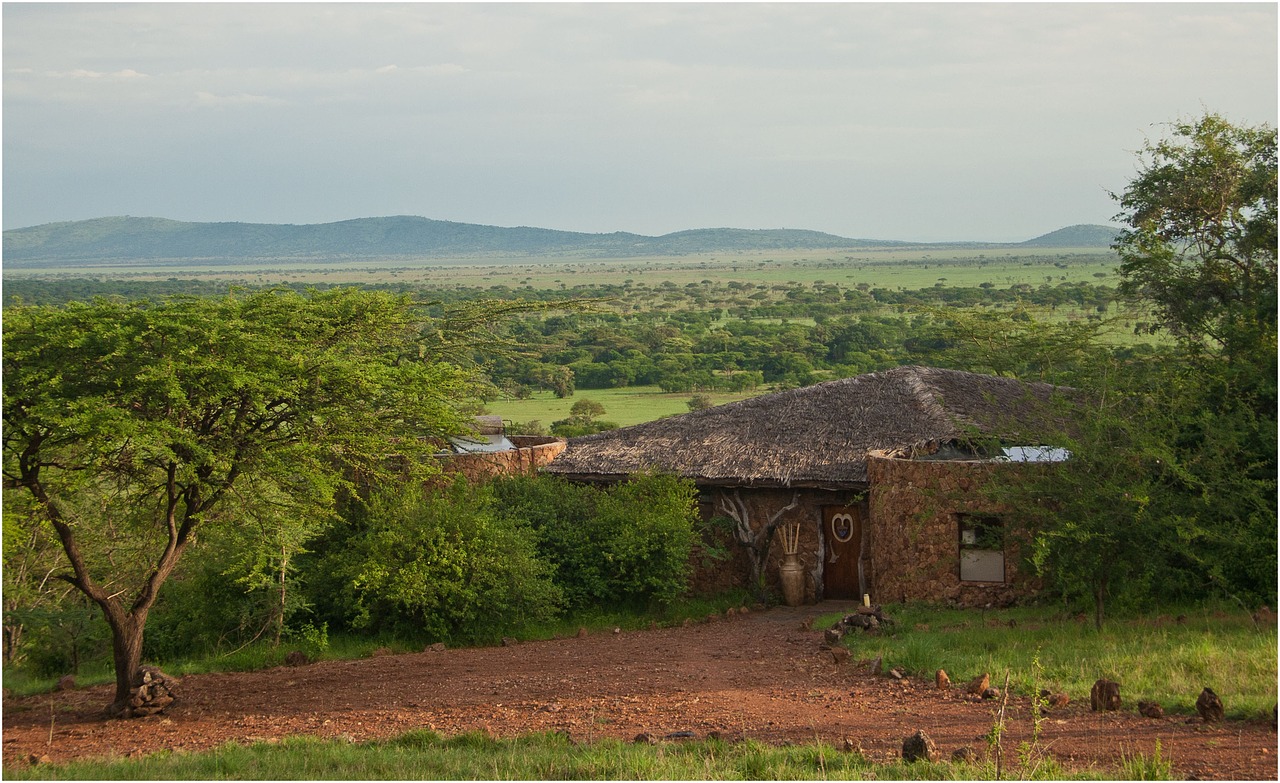
We spent the better part of an hour traversing a beautiful landscape of hills, valleys, corn, and mud huts before we finally came to Chacha’s house. His parents were not home. We could have left him there, but this would leave Chacha back in the same situation; the really critical thing was to meet his father. 

So we started wandering up and down the dirt roads of this village area. We met Chacha’s aunt, we passed by his school, and then finally we saw a man walking down one of the dirt roads. Chacha told us that was his father.

We stopped our motorcycles, introduced ourselves in Kuria, and then Mwita, the older of the two family counselors, softly took hold of the man’s hand and began to talk to him in Kuria.

I don’t know what they said. I know the discussion lasted about 15 minutes. At the beginning, Chacha’s father was visibly angry. As the conversation progressed, he calmed down, and at the end, he was laughing. He took his son back and put a big arm around his little shoulders.  

We said happy goodbyes, and Mwita and I hopped back on our motorcycle. Then I asked Mwita,

“What happened?”

“He agreed to take him back. And he really thanks us for returning his son to him.”

“You don’t think he will beat him?”

Mwita laughed. “No, he can’t, he can’t”

“Ahh. How do you know?”

“Everything is by discussion. I discussed with him well, I helped him to decrease his anger. I talked with him about how this is his child, and the rights of a child that every one knows. I reminded him that his responsibility as a father is to take care of him. He agreed, and this helped him to calm down. You saw how he was laughing by the end of our discussion. He can’t beat him now. But what I am happy about is we have gotten a friend. This father is our friend now. If we come to this village again, we will always have a friend here.”

I am thankful for Our Father’s House. I am thankful for QuadW Tarime. And I am so thankful that we could work together on July 4th, 2021. Chacha easily could have gotten stuck and grown up on the streets, but because of a few followers of Jesus working together, he was returned home and the relationship with his father was repaired within 18 hours.
The Ounce of Prevention

Our Father’s House unites homeless children with good homes. Since starting in 2013, we have met many young men and women sleeping in flour sacks under roof overhangs, being groomed to steal by unscrupulous scrap metal merchants.

We’ve asked ourselves over and over again about the best way to get these children placed in a loving home. But pretty early on, we started asking another question,

“Wouldn’t it be great if we could identify fragile homes and fix the problem before it fell apart and the kids went to the streets?”

Once the children are on the streets for three weeks, it becomes significantly more difficult to help them. They quickly get used to the hard life, and many find theft easier than school and chores (as long as they can avoid jail; children and adults go to the same jail in Tanzania).

We haven’t had much luck with identifying fragile homes before they fell apart, but the recent case of Irisi and Nuhu has given us hope.

Their father was killed in a motorcycle accident in 2016, and their mother couldn’t support them alone. Within a few months, she decided to leave them behind and start over in the big city of Mwanza. She left them behind with their grandmother. Of course, if the mother couldn’t support them alone, she knew things wouldn’t be any better with their grandmother. She just didn’t know what else to do.

The grandmother is doing her best, but the last three years have been rough. The hunger continued to gnaw them, and with everything locking down in April, things were only going to get worse. She didn’t see how they were going to make it, so she took the drastic step of going to visit her extended family to ask for help. She could only afford one bus ticket, so she left the children alone.

It wouldn’t have taken long for the scrap metal merchants to notice Irisi and Nuhu, and then Moses and the Our Father’s House volunteers would have had their work cut out for them as they tried to help them unlearn the bad habits.

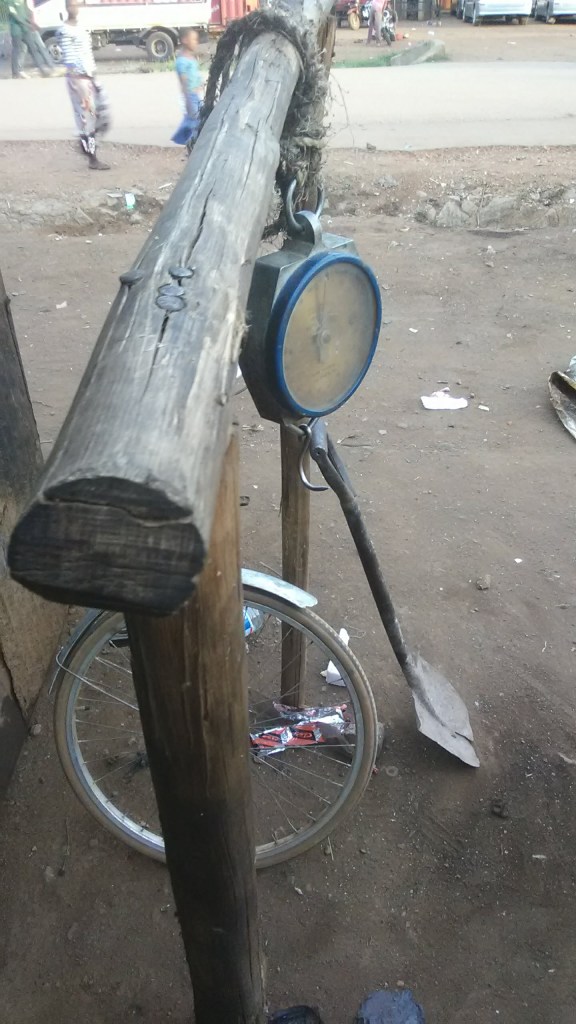
Scale where Tarime scrap metal merchants weigh metal that is brought to–or stolen for–them by the homeless youth

But Bibi Mwita noticed them first.

Several years ago, Bibi Mwita adopted one young man who had been living on the streets; she still cares for him to this day. She is one of few people in Tarime who are sensitive to the plight of homeless children, and when she saw two children walking the streets looking for food and things to sell, she knew something was wrong.

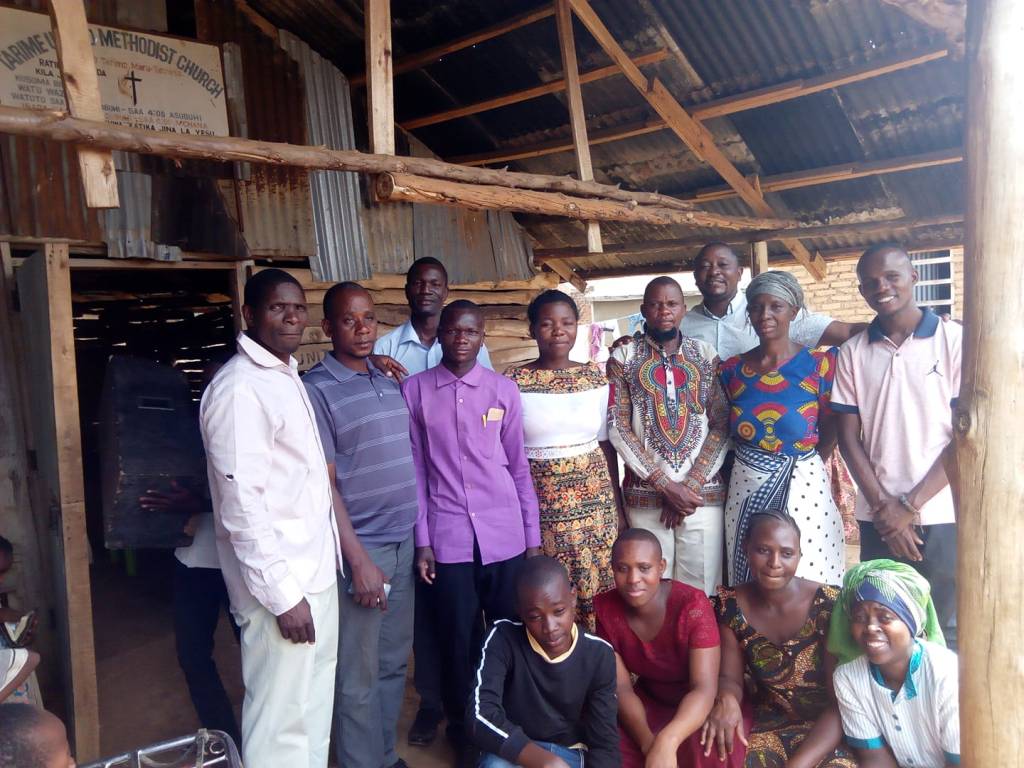
She asked Irisi and Nuhu where they were going, and when no answer was forthcoming, she invited them to stay with her. As a member of Tarime Methodist Church, she quickly introduced them to Moses and the Our Father’s House volunteers and asked what Our Father’s House should do to help.

As they earned the children’s trust and the story came out, bit by bit, Our Father’s House decided to support Bibi Mwita as she cared for them until their grandmother returned. When she returned, Our Father’s House donated some food and helped with school uniforms and registration so that Irisi and Nuhu could return to school.

And to help her for the long-term, Tarime Methodist Church is training and mentoring her in starting a tiny business.

Irisi, Nuhu, and some other children who live nearby

We’re thankful we found Irisi and Nuhu before they had to start living on the streets. We’re thankful to have been the ounce of prevention in this case. And we want to learn from this, so that we can do more of this is the future.

Thank you, friends, for helping this story to turn out so much better than it could have. You can make more of this happen at https://advance.umcmission.org/p-1816-our-fathers-house.aspx

Heartbreaking

Why was 11-year-old Mwita* living on the streets?

He stole a single egg from the family chicken house, so that he could sell it and pay the admission fee to watch soccer.

When he returned, his father beat him so severely that he decided things would be better on the streets. He spent the next year and a half sleeping under roof overhangs, using flour sacks for blankets. During the day he would gather bottles and steal scrap metal in exchange for food. Most of this, including sleeping, took place in this lot in central Tarime:


Moses met him early on, but, understandably, Mwita was reluctant to start the process of repairing the relationship with his family. It took a lot for him to trust that Moses would be able to convince his father not to beat him any more. He had seen Moses succeed with other children and their families, but he held back- until April of this year.

I don’t understand exactly how Moses does it, but he sat down with the father and explained the story from Mwita’s side. Then he reminded the father of what it meant to be a good father, and how things could be better if he would stop beating him. Again, I don’t understand how he does this… but that’s why we hired him, and not me.

When Moses brought Mwita back, his father did not beat him. He welcomed him.
They’ve been getting along well ever since, and Moses is now working on getting Mwita enrolled in school again.

 
Thank you, friends, for helping this heartbreaking story to have such a positive turn. Of course, we still have a long way to go with Mwita and his family, and Moses will continue to follow up with them to make sure that the relationship stays healthy.

Stability

Robi’s* father taught her to steal at a young age, and then kicked her out of the house for the trouble that her stealing caused. It was a heart-wrenching thirteen months as she kept being turned out of her foster families after only a few weeks, due to her habit of stealing, but Our Father’s House never gave up on her. We are pretty thankful that she has been with one family for a year now, and that this steady family situation has given her the stability that she needed to return to school in January of 2019.Bhoke Church

Off the Streets, Off to School

A few months ago, we shared about Gati* and Chacha. Half of their father’s body is paralyzed, and their mother ran away. Last October, they had dropped out of school and were living on the streets. Moses Nyamhanga, Director of Our Father’s House, had earned their trust and helped them to be reunited with their father. This was an exciting victory, but Moses recognized that keeping this fragile, impoverished family together will be a long-term journey. One tangible action that Moses recommended was to provide them with the uniforms and supplies that they needed in order to return to school.

IMG-20181031-WA0000

IMG-20190216-WA0000

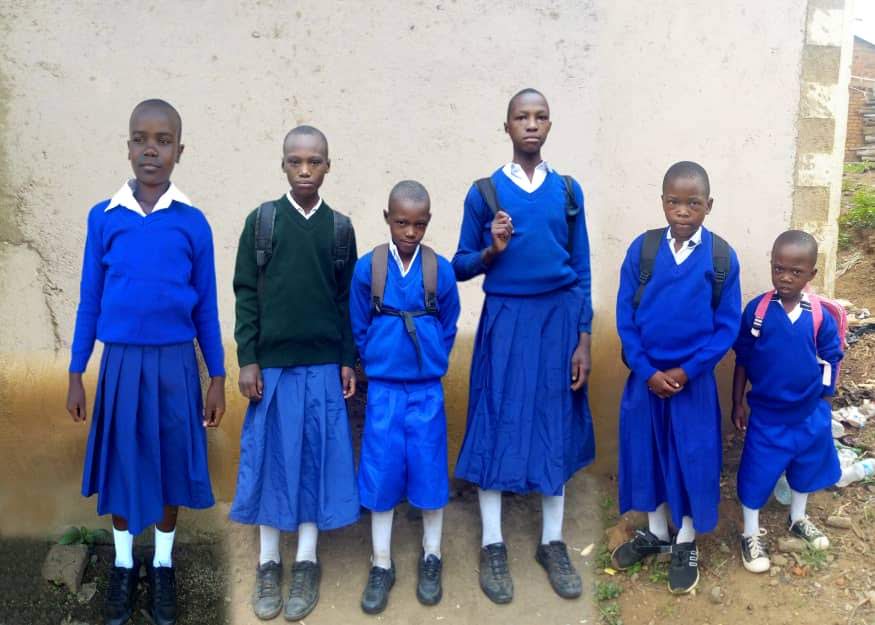
Here they are, together with four other children who have spent some time on the streets. Last month, we outfitted all of them with new uniforms and school supplies so that they could start the school year off strong.

Our Father’s House reunites homeless children with their families. In some cases, the relationship quickly becomes strong enough that we can let the family continue on its own. In many other cases, we need to continue working with a family for months and even years to make sure that the kids don’t return to the streets. The above children are some of the ones who we have committed to a long-term journey with, in addition to four more who aren’t pictured (they live farther out from Tarime).

This work is not easy. There are many reasons that children end up on the streets, and it takes a lot to fight back against these. We are not always successful. This time of the year, though, is a time of victory as we celebrate that ten children who were once on the streets are not only back with families, but are donning new uniforms and returning to school.

Thank you, friends, for enabling us to hire Moses so that he can be free to do the hard work of earning the trust of these children, returning them to their families, and counseling their families to make the relationship stronger. Thank you for paying for the uniforms that these children are wearing in these pictures. Thank you for caring so much about the individual, inner life of each one of these children.

IMG-20190216-WA0003

Let’s keep this work up in 2019. You can give at: https://secure3.convio.net/gbgm/site/SPageNavigator/gbgm_donate.html?eeetype=1001&project=3022420

*all child names have been changed